
Windows Azure is Microsoft's stack of cloud computing resources that lets you build Web apps and services based on the Windows, Microsoft .NET Framework, Visual Studio and SQL Server tools with which you're already familiar. Here's a collection of tools and information that will get you writing apps for Windows Azure today.
- By Terrence Dorsey
- 02/28/2014

If you're using MSMQ to offload work from your Web site, you have a number of ways to pick up those messages, including processing those messages as soon as they turn up.

Nick Randolph takes MvvmCross for a spin and shows how quickly you can build an application for Windows Phone and other mobile platforms.
- By Nick Randolph
- 02/25/2014

Portable Class Libraries create a single DLL that can be used across platforms, making code sharing easier. Learn how to use them by building a weather app with a portable core.
- By Greg Shackles
- 02/21/2014

Visual Studio 2013, with the latest version of TypeScript, gives you the same kind of support you've come to expect when writing code in C# and Visual Basic.

Why user requests shouldn't always be granted.

Evolutionary optimization (EO) is a type of genetic algorithm that can help minimize the error between computed output values and training data target output values. Use this demo program to learn to the method.
- By James McCaffrey
- 02/18/2014

Sometimes you can improve your application's response time by shunting some activities to offline processing -- sending an e-mail response, for instance. Here's how to use Microsoft Message Queue (available on both your development and production computers) to simplify the process.

Microsoft needs fixing. Here's a list of the first things the new CEO should consider taking on.
- By Andrew J. Brust
- 02/11/2014

Incorporate the free database library with these easy, step-by-step directions.

Like riding a bike, knowledge of regular expressions will stay with you forever, allowing you to manipulate text quickly and easily. In this part of the series, Ondrej focuses in on groups, positioning and tools.
- By Ondrej Balas
- 02/05/2014

There are numerous ways to implement a fluent API, depending on the degree of control you want to maintain over the API, how many classes you want to be able to use it with, and how you want to extend your API. Here are your options.

That dinosaur of an office appliance -- the fax machine -- plays an unexpected role in Jason's Web site registration puzzle.

Wally walks you through the two controls you can use to easily navigate your iOS apps.
- By Wallace McClure
- 01/24/2014
Peter walks through a simple Web page that retrieves and updates data on the server to summarize his best practices for creating the client-side portion of an ASP.NET application.

The introduction of Visual Studio Online doesn't mean the end of Team Foundation Server, but it does change the way Microsoft does application lifecycle management.
- By Mickey Gousset
- 01/17/2014
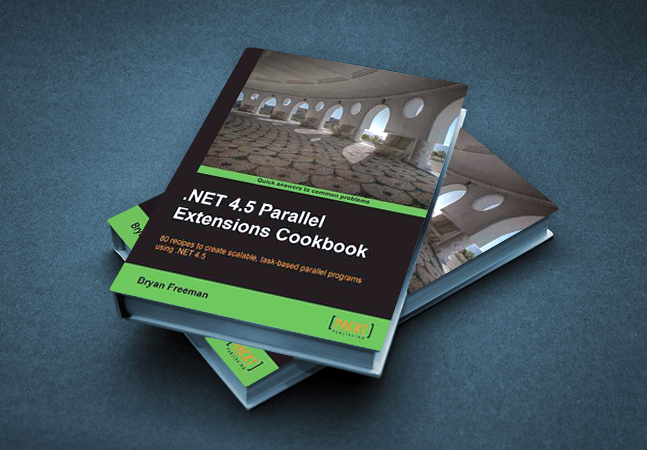
Bryan Freeman's book on creating asynchronous applications does a great job of explaining the technology the .NET Framework provides for creating asynchronous applications.
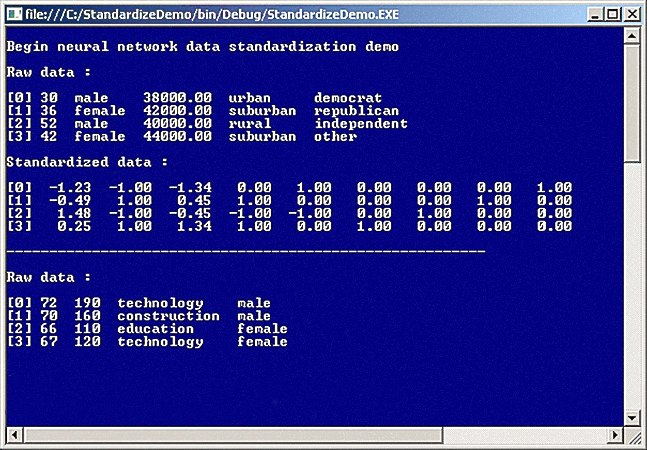
Understanding data encoding and normalization is an absolutely essential skill when working with neural networks. James McCaffrey walks you through what you need to know to get started.
- By James McCaffrey
- 01/15/2014

Just because your language can do it, it doesn't mean that you should.

Nick Randolph walks through adding analytics to your Windows Phone application using Application Insights for Visual Studio Online.
- By Nick Randolph
- 01/13/2014