
Creating a Windows Service is trivial using Topshelf, a freely-available library that converts a console application to a Windows Service. In this article, you'll create a simple notification app and integrate Topshelf.
- By Ondrej Balas
- 10/03/2013

Peter starts integrating a TypeScript client-side object with a server-side Web API service. Along the way, he looks at method overloading (not good), making JSON calls (good), testing asynchronous methods in Visual Studio (mostly good) and being a "TypeScript programmer."
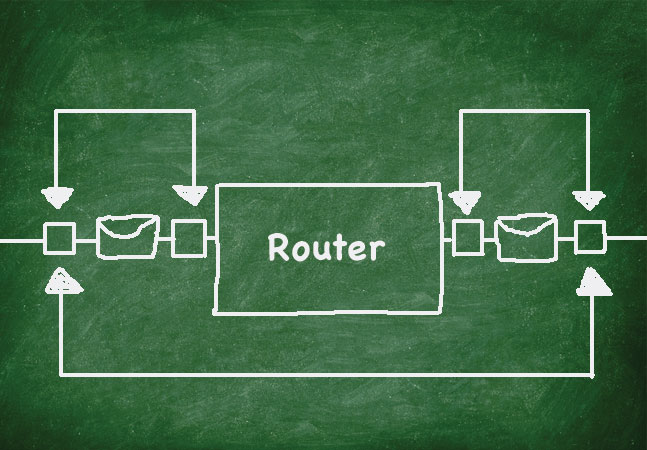
Create a Windows Store app that consumes a Web API service.
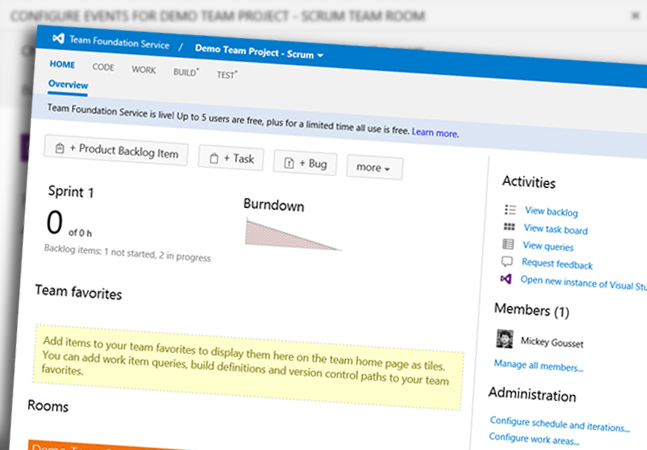
Think of a Team Room as a collaborative chat workspace that records everything that happens on your team. In addition to being a real-time chat room, it also integrates with TFS to display data and interactions.
- By Mickey Gousset
- 09/30/2013

Claims-based security lets you manage your site's authorization process using any criteria that makes sense to you. And the Microsoft .NET Framework 4.5 provides some performance support for you once you start using claims-based security.

Some dev organizations use a stabilization phase as a way to improve quality. But in most cases, it does more harm than good.

The first installment discussed what Knockout.js is, why and how it evolved, and how it fits into Web development. This month, the discussion dives into best practices for Knockout, extending it and creating custom bindings.
- By Kelly Adams, Mark Michaelis
- 09/24/2013
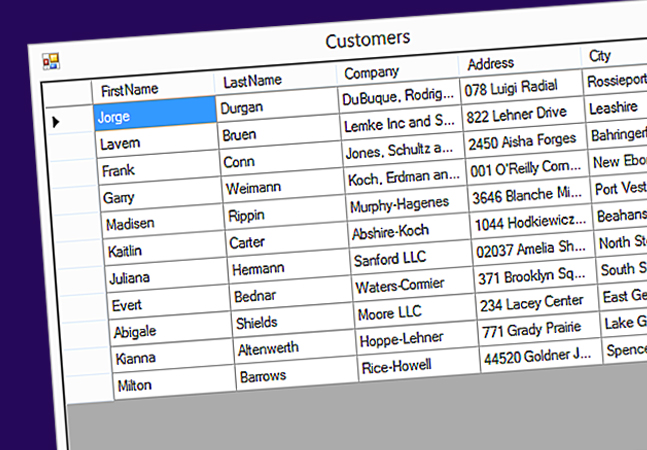
Quickly populate your applications with fake names, addresses, phone numbers and much more with freely available libraries.
- By Ondrej Balas
- 09/23/2013

As part of building a client-side application in a test-driven way and using TypeScript, Peter creates a Web API service and writes a test that proves he can access it from JavaScript code -- though there are some "wrinkles" in making this work. Along the way, he has an insight about TypeScript versus other, first-class .NET languages.

The use of constructor/destructor pairs for resource management is the most important feature that distinguishes C++ from its predecessor.

Here's an example of how user stories, personas, usability testing and the practicalities of navigating with a mouse define a UI. Peter Vogel also discusses how he feels about error messages.
Eric Vogel covers how to use the new Web API 2 routing attributes to create a Web service in Part 1 of this series.

James McCaffrey explains the common neural network training technique known as the back-propagation algorithm.
- By James McCaffrey
- 09/16/2013
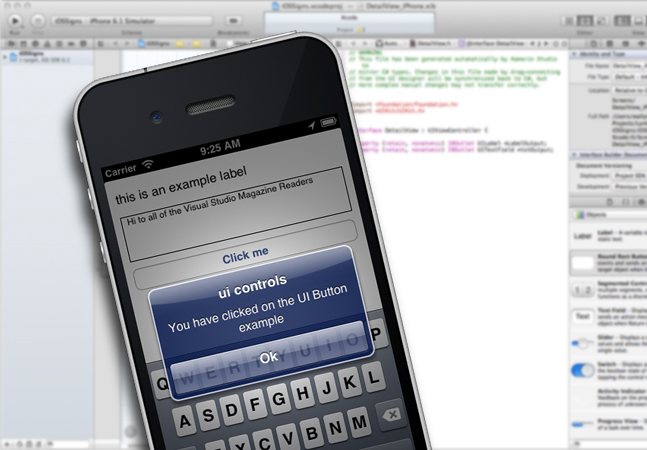
Wally McClure guides you through using the XCode design surface integration with Xamarin Studio, and programmatically creating controls.
- By Wallace McClure
- 09/13/2013
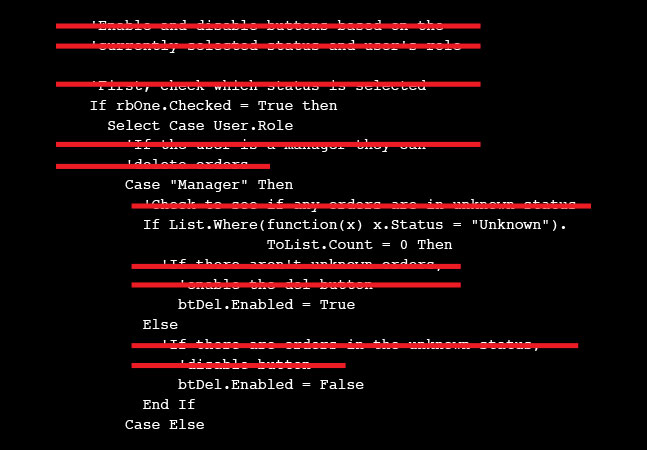
Peter looks at how rewriting some complex code -- purely to make it easier to read -- eliminates the need for writing comments. He even adds a comment to some code.

How to manage visual states, and perform navigation and testing of your view models from within a Windows Phone PCL.
- By Nick Randolph
- 09/11/2013
Peter Vogel continues to build out a TypeScript project by defining a view model. Along the way he looks at defining interfaces, setting up constructors, creating optional parameters and initializing arrays in TypeScript.

Learn how to use the new Authentication filters in ASP.NET MVC 5, currently in developer preview.

It isn't about the tests -- it's about the feedback.
- By Peter Provost
- 08/28/2013

Microsoft .NET Framework 4.5 support for claims-based security can make your existing authorization system more powerful and flexible, even if you never intend to start working with third-party security providers. Plus, it's backward-compatible with virtually all of the authorization code you're already using.