News
SQL Operations Studio Adopts VS Code Extension Model
The extension model introduced with Visual Studio Code and subsequently tracked by the Visual Studio IDE is proving so popular it has been applied to SQL Operations Studio.
Still in preview, SQL Operations Studio, which was introduced last year, is an open source, cross-platform data management tool that works with SQL Server, Azure SQL Database and Azure SQL Data Warehouse from Windows, macOS and Linux machines.
Unveiled at Microsoft's Connect() conference last November, the open source tool just received its fourth update, with a new extension manager included in a bevy of updates.
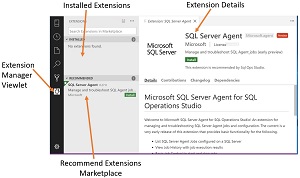 [Click on image for larger view.] Extension Manager (source: Microsoft).
As with VS Code and Visual Studio, extensions will be the primary method used by data developers and others to add functionality to SQL Operations Studio. "We've adopted the in-product extension management experience from Visual Studio Code," Microsoft said in a blog post last week. Like the code editor, the tool's extension UI includes:
- A "Marketplace" of Recommend Extensions, which can be easily discovered and installed
- A List of Installed Extensions, which can be disabled or uninstalled
- An Extension Details page that displays the extensions readme content and other metadata
Microsoft said extensibility of the tool is a key focus of the dev team, which plans to make future features available both via first-party and third-party extensions. "We look forward to working with the community to build a rich tools ecosystem," Microsoft said. "Please contact us on Gitter if you're interested in building an extension."
For extension developers, Microsoft noted that because the core SQL Operations Studio platform is built on VS Code, most of the VS Code extensibility APIs are available. More on that is available in the documentation titled "Getting Started with SQL Operations Studio Extensibility."
Other new features coming in the March update include:
- Enhancement of the Manage Dashboard extensibility model to support tabbed Insights and Configuration panes
- Dashboard Insights extensions for sp_whoisactive from whoisactive.com and a Server Reports example
- Addition of additional Extensibility APIs for connection and objectexplorer management
- Community Localization opened up for 10 languages
- More fixes of important customer-impacting GitHub issues
Full details are provided in the release notes.
About the Author
David Ramel is an editor and writer at Converge 360.