News
Microsoft Further Embraces OpenAPI Spec (formerly Swagger)
Microsoft has long embraced the OpenAPI Specification (formerly known as Swagger) for describing APIs, and it's now taking that support to the next level with a new online resource.
The company today announced the OpenAPI at Microsoft blog on its DevBlogs site, which is mostly devoted to the company's own products, along with open-source products and technologies that Microsoft uses or contributes to.
The OpenAPI Specification belongs in that latter category. It's developed under the direction of open-source champion The Linux Foundation, having been donated to the community in 2015 by SmartBear Software. It provides a formal standard for describing HTTP APIs to help devs understand how an API works, how a sequence of APIs work together, generate client code, create tests, apply design standards, and more.
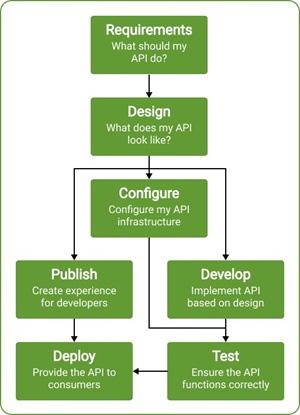 [Click on image for larger view.] OpenAPI (source: OpenAPI).
About that new blog, the inaugural offering reads: "While this is the first post here, Microsoft has a long relationship with the OpenAPI specification. Microsoft has been a member of the OpenAPI Initiative since its inception and is a key contributor. We have been using OpenAPI internally for years and have a wide range of products and tools that help our customers work with OpenAPI descriptions as part of their API development process."
The new blog will join existing documentation.
With the recent advent of advanced AI, the first post also showcases recent developments in that space affecting Microsoft's AI dev constructs, Semantic Kernel and Copilot Agents.
- Semantic Kernel AI Applications: "If you are building AI infused applications, you may be interested in the Semantic Kernel support for plugins based on OpenAPI descriptions. You can use plugins to bring real time data from your APIs into your AI applications. If you have large OpenAPI descriptions and you only want to import a subset of that OpenAPI description there is API Manifest Plugins that can help you with that."
- Copilot Agents: "Our recent announcements of Copilot Agents provides another opportunity to leverage OpenAPI descriptions. Copilot Agents are a new way to extend the capabilities of Microsoft 365 Copilot with access to any APIs you can describe."
Along with the Microsoft documentation about OpenAPI mentioned above, the project also published "What Is OpenAPI?" documentation that provides a general overview.
About the Author
David Ramel is an editor and writer at Converge 360.