
A hands-on comparison shows how Cursor, Windsurf, and Visual Studio Code approach text-to-website generation differently once they move beyond the basics and begin redesigning and extending their own work. One thing that stood out is that, despite their sophistication, these AI-assisted editors remain a long way from agentic AI.

While many Visual Studio developers are awaiting the debut of .NET 9 in November, they might want to pay attention to a looming security issue with .NET 6, which will reach end of support at the same time, perhaps leaving apps open to cybersecurity attacks.

In the fast-paced realm of modern software development, proficiency across a full stack of technologies is not just beneficial, it's essential. Microsoft has an entire stack of open source development components in its .NET platform (formerly known as .NET Core) that can be used to build an end-to-end set of applications.

Microsoft will retire Visual Studio App Center in a year, listing several workarounds to replace the package of integrated developer services for building, testing, releasing and monitoring mobile/desktop apps that itself replaced a tool called HockeyApp in 2019.

A new software security report finds .NET applications had the highest percentage of flaws when compared to two popular programming languages (even though .NET isn't a programming language).

Microsoft's claim that its recently released Project Reunion 0.5 for unified Windows desktop development would soon see support by third-party sources that provide "ecosystem technologies," including the .NET Foundation's Windows Community Toolkit (WCT), is ringing true.
Some organizations are already supporting the milestone release, designed to simplify Windows desktop development, with "ecosystem technologies." Here's an update on what's out there now and what's coming.

Microsoft shipped a production-ready Project Reunion 0.5, which for the first time contains tooling for WinUI 3 desktop applications that are forward-compatible with future releases.

Microsoft's HockeyApp -- the strange-sounding tool for continuously building, testing, releasing and monitoring apps -- has scored its last goal, being retired and sent to the permanent bench in favor of Visual Studio App Center.

ARM64 support and and an XAML Islands update highlight a version 6.0 update to the Windows Community Toolkit, a set of helper functions, custom controls, and app services to simplify and demonstrates common coding tasks for building Universal Windows Platform (UWP) apps for Windows 10.

There's no better source of guidance about tool selection than the opinions of fellow developers.
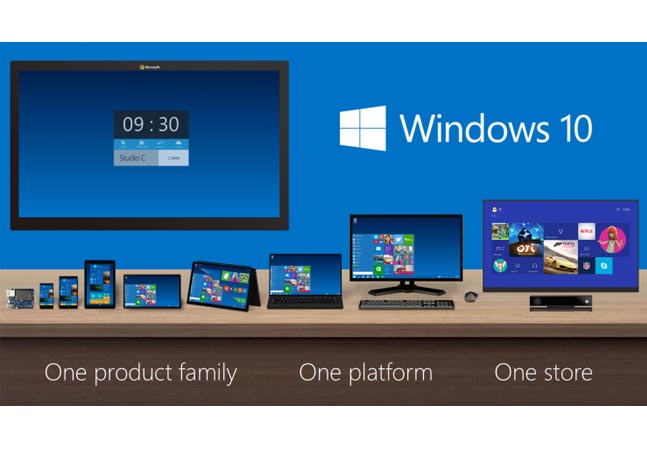
Microsoft this week announced a private audience capability that lets developers target only specific people to try out their Windows Store apps and games before they go mainstream.

Microsoft this week announced a new analytics tool that lets Windows developers view details about desktop application performance and reach.

Two cloud development services -- Azure Functions and Azure App Service -- are now available on Azure Stack, which brings cloud functionality to on-premises, hybrid implementations.

Two Microsoft MVPs have collaborated on a project called Electron.NET that uses the open source ASP.NET Core 2.0 framework to create cross-platform desktop apps running on Windows, OSX and Linux.

Microsoft is continuing to improve its new Windows Template Studio, a wizard-based extension for Visual Studio designed to speed up the development of Universal Windows Platform apps.
Nick Randolph dissects Windows Phone 8 as a platform for application and enterprise developers.
- By Nick Randolph
- 01/04/2013
The senior director of the Windows Commercial Business Group provides a checklist to help organizations choose the best Windows 8 machines and tablets.
Learn how to use the Fragments API in Mono for Android to create an application UI for multiple screens, such as a handset and tablet.
- By Wallace McClure
- 12/13/2012
C++Builder XE3 implements a new native compiler architecture that supports development on both Windows 8 and Mac OS X PCs.
- By John K. Waters
- 12/11/2012