
Microsoft's Go-based TypeScript rewrite has reached Release Candidate status, moving from a separate native-preview package into the regular TypeScript npm package while leaving some ecosystem-facing API work for TypeScript 7.1 or later.

A Microsoft MVP Blog post on Visual Studio Live!'s longevity arrives as the 2026 conference series continues with upcoming stops at Microsoft HQ, San Diego and Orlando.

.NET 11 Preview 5 focuses on under-the-hood runtime performance gains, streamlined APIs and language features that reduce boilerplate, plus built‑in security checks and incremental ASP.NET Core and EF Core improvements aimed at everyday developer productivity.

Microsoft's June 2026 VS Code update turns on Autopilot by default and adds background sending for agent sessions.
</head>
Microsoft released Visual Studio Code 1.123 on June 3, adding agent-focused features, larger model context support, integrated browser updates and a new delay for some automatic extension updates.

Microsoft's Build 2026 Windows developer announcements point to a broader platform strategy for agentic AI, spanning terminal workflows, local models, app-building skills, Cloud PCs and operating system-level containment.
Microsoft's May 2026 VS Code update makes BYOK usable in restricted environments while adding agent, browser and issue-reporting updates.

Uno Platform is positioning itself as a cross-platform modernization path for Windows Presentation Foundation apps, combining incremental migration, AI-assisted code translation, Model Context Protocol tooling and runtime validation.

Microsoft is applying lessons from Rust to C# in a planned redesign of the unsafe code model, continuing a years-long company focus on reducing memory-safety risks historically associated with C and C++

Microsoft highlighted Copilot planning, context visibility, diff review updates and MSVC Build Tools v14.51 in its May Visual Studio update.
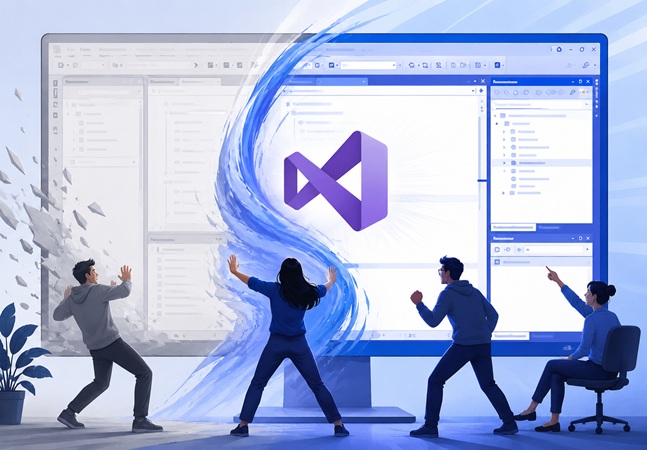
Developers are pressing Microsoft to restore the Blue theme in Visual Studio 2026, arguing that the issue is about contrast, readability and usability rather than nostalgia for an old color scheme.

.NET 11 Preview 4 delivers a broad set of developer-facing updates across .NET MAUI, ASP.NET Core, Blazor, Entity Framework Core, the SDK, libraries and runtime performance work.

CNCF graduation, Microsoft tooling updates and cloud-provider support show broader OpenTelemetry adoption across developer platforms.

Visual Studio Code 1.121 focuses on agent workflows, model configuration, terminal behavior and built-in preview features -- and features another update to Claude Code functionality.

A small social media poll from Visual Studio guru Mads Kristensen split respondents over whether the IDE should add more database tooling, while the discussion quickly turned to existing SQL project support, SDK-style SQL projects and the broader state of Microsoft's database developer tooling.

Microsoft announced a new VSLive! Microsoft AI Hackathon 2026, an in-person build event at its Redmond campus focused on Microsoft Foundry, Azure OpenAI, GitHub Copilot and agent-based development.

GitHub Spec Kit, open sourced last September as a toolkit for spec-driven development with AI coding agents, is seeing renewed attention as recent releases and a May 8 livestream show the project expanding around the idea that code should be generated from, governed by and traceable to specifications.
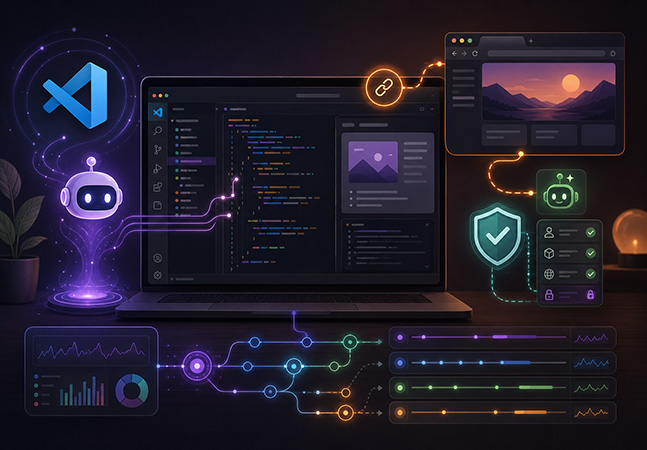
The new weekly update focuses on agent workflows, observability, trust controls, Markdown usability and engineering changes.
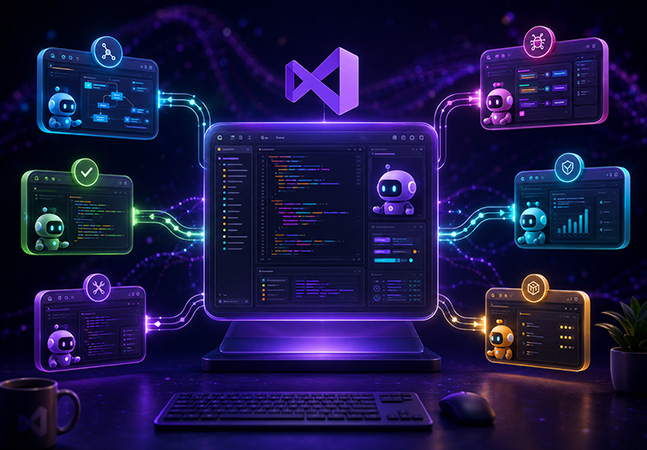
Microsoft's Mads Kristensen said subagents are "coming soon" to Copilot in Visual Studio, while VS Code already documents subagent support across context isolation, custom agents, parallel execution and search.
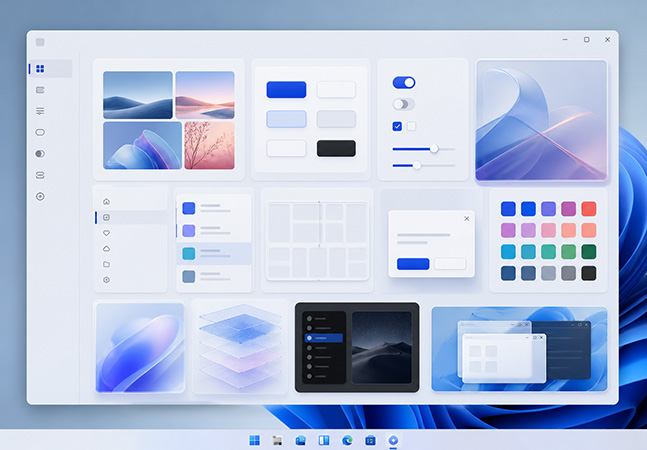
Microsoft's WinUI 3 Gallery 2.9 gives developers a working reference app for trying Windows App SDK 2.0 controls, APIs and improvements without starting a new project.