
Microsoft has released version 1.0 of its open-source Agent Framework, positioning it as the production-ready evolution of the project introduced in October 2025 by combining Semantic Kernel foundations, AutoGen orchestration concepts, and stable APIs for .NET and Python.

OpenClaw's Node for VS Code extension proved it can support a real local file-based workflow, but on Windows the experience still feels more like early infrastructure than finished tooling.

Omar Shahine's new Microsoft role focused on bringing OpenClaw and personal agents to Microsoft 365 adds weight to the workplace-assistant story for the open-source AI framework, even as its current VS Code tooling remains early, gateway-centric, and only lightly connected to Microsoft's primary developer environments.

A smaller weekly VS Code release adds chat workflow refinements, semantic search changes, TypeScript 6.0, and new admin controls.
Microsoft's VS Code 1.113 release packages a range of smaller updates across agent experience, chat experience, and editor experience, arriving as the company shifts the editor to a weekly release cadence that the team says has been accelerated by its internal use of AI.

Microsoft has released .NET Aspire 13.2 with a new AI-focused CLI for coding agents, preview TypeScript AppHost support, dashboard updates, and revised integrations.

Microsoft released TypeScript 6.0 on March 23, the last version built on the original JavaScript codebase, with three post-RC changes and a wave of deprecations designed to ready codebases for the Go-based TypeScript 7.0.

VS Code 1.112 adds native image support for agents, and I used it on three Microsoft AI Foundry leaderboard screenshots to see whether it could turn chart-heavy visuals into a useful developer summary.

Visual Studio Code 1.112, released March 18, expands Copilot agent autonomy, adds MCP server sandboxing on macOS and Linux, enables in-editor web app debugging, and broadens monorepo support for agent customizations.

Microsoft's new Azure Skills Plugin bundles curated Azure skills, the Azure MCP Server, and the Foundry MCP Server into a single install that gives AI coding agents both the expertise and execution tools needed to perform real Azure operations end to end.

Microsoft's VS Code 1.111 release adds agent permissions, Autopilot preview, agent-scoped hooks and new debugging tools.

Microsoft's February 2026 Foundry update includes broader platform changes, but the most immediate developer-facing news for VS Code users is an AI Toolkit refresh centered on tool discovery, agent debugging, and test-style evaluation.
Release Candidate lands March 6, positioning 6.0 as precursor to native TypeScript 7.0 based on Go Language.

Microsoft updates its reference WinUI 3 sample app with taskbar integration, clipboard samples, and quality-of-life fixes.

GPT-5.3-Codex moved to No. 1 in Quality on the Microsoft Foundry AI Model Leaderboard soon after release, while a cross-metric "podium" scoring method put GPT-5-Nano on top overall for efficiency.
Visual Studio Code 1.110 (February 2026) adds new agent extensibility, browser-driving chat tools, and expanded chat accessibility.

Microsoft introduces agent technology to Visual Studio, featuring curated assistants and personalized agent creation tools.

GitHub Copilot CLI is now generally available for all paid Copilot subscribers, offering agentic workflows, multiple AI model support, and specialized agents for terminal-based development.
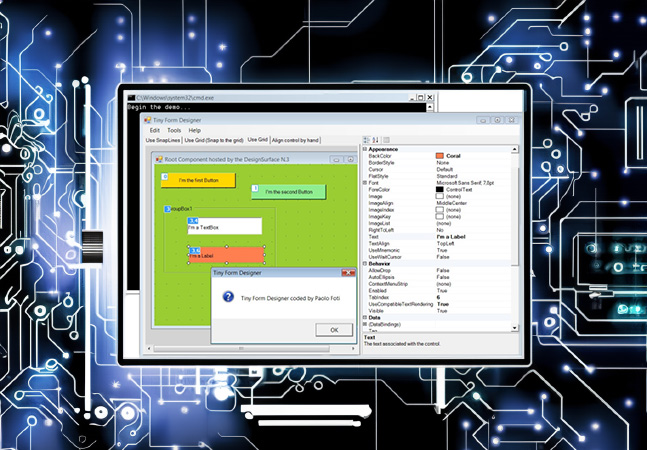
Microsoft's Visual Studio February Update (18.3) adds new Copilot agents and workflows for WinForms guidance, test generation, call stack analysis, profiling with unit tests, C++ modernization, and improved Razor Hot Reload behavior.
The VS Code 1.110 cycle is putting more "hands-on" capabilities into chat, led by native browser integration that lets AI agents interact with page elements, capture screenshots, and pull real-time console logs from inside the editor.